






















By Cybernewsug | News Desk
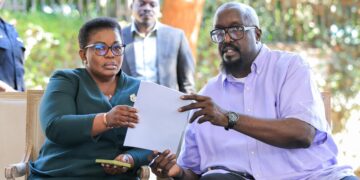
President Yoweri Museveni is meeting kings, cultural leaders and representatives of traditional institutions to discuss how Uganda’s cultural heritage can strengthen national unity, preserve traditions and contribute to development.
President Yoweri Kaguta Museveni is hosting Their Majesties and other cultural leaders from across Uganda at State House Entebbe for a Cultural Leaders Conference aimed at exploring the role of traditional institutions in promoting national unity, preserving cultural heritage and supporting the country’s development agenda.
In a message announcing the meeting, Museveni said he looked forward to fruitful discussions with the cultural leaders, highlighting the importance of cultural institutions in Uganda’s social and national life.
The conference brings cultural leadership into discussions about Uganda’s development, at a time when traditional institutions continue to play important roles in community identity, heritage preservation and social cohesion.
However, the precise date of the conference, the full list of participants, the agenda and any resolutions reached were not provided in the announcement. Those details should be confirmed before publication.
#Cultural institutions and their role in Uganda
Uganda’s cultural institutions represent communities with distinct histories, languages, customs and traditional leadership structures. Their influence extends beyond ceremonies and heritage preservation to include community mobilisation, conflict resolution and social welfare.
The Constitution recognises traditional and cultural leaders while restricting their involvement in partisan politics. Article 246 provides for traditional or cultural leaders, while the Traditional or Cultural Leaders Act, 2011, establishes further provisions governing their status and functions.
Cultural institutions do not replace elected government structures. Instead, their influence is largely rooted in community identity, customary practices and the trust they command among their subjects.
This distinction is important as the conference considers how cultural leaders can contribute to national development without compromising their cultural responsibilities or constitutional position.
#Unity and cultural diversity
Uganda is home to several traditional and cultural institutions representing different ethnic communities and historical kingdoms.
Among the most prominent are Buganda, Tooro, Busoga, Bunyoro-Kitara, Rwenzururu and the cultural institutions of the Acholi, Lango, Teso, Bamasaba and other communities.
These institutions have different structures, traditions and leadership arrangements, reflecting the country’s cultural diversity.
The challenge for national leadership is to encourage cooperation among these institutions while respecting their distinct identities.
Museveni’s conference announcement places unity at the centre of the discussions.
The President said he wanted to explore how cultural institutions could promote unity, preserve heritage and contribute to Uganda’s development.
The emphasis on unity is particularly relevant in a country where cultural identity remains an important part of social and political life.
Cultural leaders can potentially help communities address disputes, encourage peaceful coexistence and promote dialogue across regional and ethnic boundaries.
However, the conference’s actual discussions and any commitments made by the participants have not yet been independently confirmed.
#Cultural heritage and preservation
The preservation of Uganda’s cultural heritage remains an important responsibility for traditional institutions.
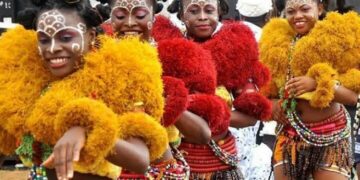
Cultural heritage includes languages, traditional music, dances, oral histories, ceremonies, customary knowledge, historical sites and traditional systems of community organisation.
These traditions help communities maintain a connection with their history and pass knowledge from one generation to another.
Cultural institutions can contribute to preservation by supporting traditional education, documenting oral histories, promoting local languages and protecting sites of historical importance.
The role of cultural institutions is particularly important as communities experience social and economic changes associated with urbanisation, education, migration and modern technology.
Young people increasingly interact with global cultures through digital platforms, creating opportunities for cultural exchange while also raising questions about the preservation of local traditions.
A conference bringing together cultural leaders from across Uganda could provide an opportunity to discuss how traditional institutions can remain relevant to younger generations.
Nevertheless, the announcement does not identify any specific heritage preservation programmes or funding commitments arising from the meeting.
Such details would be necessary to establish whether the conference has produced concrete measures beyond the stated objectives.
#Cultural institutions and economic development
The President’s announcement also highlights the potential contribution of cultural institutions to Uganda’s development.
Traditional leaders often maintain close relationships with communities and may be well positioned to communicate information about public programmes, education, health, agriculture and economic opportunities.
Their involvement can help improve public awareness of development initiatives and encourage community participation.
In rural areas, cultural leaders may also influence discussions concerning land use, environmental protection, local enterprise and social welfare.
However, the effectiveness of such involvement depends on the nature of the programmes, the availability of resources and the willingness of communities to participate.
Cultural institutions can complement government efforts, but they cannot independently replace public institutions responsible for service delivery, infrastructure and economic policy.
The distinction is important because national development requires coordinated action by government, the private sector, civil society and communities.
Museveni’s stated interest in discussing development with cultural leaders therefore raises questions about how their influence can be translated into practical community benefits.
These could include cultural tourism, heritage conservation, local enterprise development and the promotion of traditional crafts.
Uganda’s cultural diversity provides opportunities for tourism through historical sites, traditional festivals, music, dance and cultural experiences.
However, the economic value of these activities depends on investment, infrastructure, conservation and the ability of communities to participate in the benefits generated.
No specific tourism or economic projects were identified in the President’s announcement.
#Previous engagements between Museveni and cultural leaders
The conference comes against the background of earlier engagements between Museveni and traditional institutions.
In August 2024, State House reported that the President had met a delegation of African cultural leaders led by the Umukuka III of the Bamasaba Cultural Institution, Jude Mike Mudoma.
During that meeting, Museveni called on cultural leaders to encourage their communities to create wealth and improve their livelihoods.
The President also discussed the government’s development vision and the importance of economic prosperity.
State House Uganda
In another engagement reported by New Vision in July 2026, Vice-President Jessica Alupo said Museveni intended to meet cultural leaders across Uganda to discuss the future and welfare of their communities.
Alupo conveyed the President’s interest in dialogue with cultural institutions, including Buganda Kingdom leadership.
These previous engagements suggest that dialogue between the government and cultural institutions has been an ongoing part of Uganda’s political and social landscape.
The latest conference provides another opportunity for the two sides to discuss their respective roles in national development.
However, the outcome of the current meeting will depend on the specific issues discussed, the positions taken by participating cultural leaders and any agreements reached.
#The importance of dialogue
Engagement between government and cultural institutions can provide a platform for discussing issues affecting communities.
Such dialogue may help identify local concerns, strengthen communication and create opportunities for cooperation.
It can also provide cultural leaders with an opportunity to raise concerns about the welfare of their subjects.
At the same time, the relationship between government and traditional institutions can involve different perspectives on development, land, cultural autonomy and the management of community affairs.
A meaningful conference would therefore need to accommodate diverse views rather than assume that all cultural institutions share identical priorities.
The President’s reference to “fruitful discussions” signals an expectation of engagement, but the announcement does not provide details about the format of the meeting or whether cultural leaders will be given opportunities to present formal submissions.
The extent to which the conference addresses concerns raised by cultural institutions will be important in assessing its significance.
#What the conference could mean for Uganda
The meeting highlights the continuing importance of cultural institutions in Uganda’s national life.
Although traditional leaders do not exercise the same constitutional authority as elected political leaders, their cultural influence can be significant.
Their ability to mobilise communities, preserve traditions and encourage social cooperation gives them a potential role in supporting development initiatives.
The challenge is to ensure that such involvement respects constitutional boundaries and the independence of cultural institutions.
For government, cooperation with traditional leaders may help strengthen communication with communities and improve awareness of national programmes.
For cultural institutions, engagement with the government may provide an opportunity to raise community concerns and advocate for the preservation of cultural heritage.
For citizens, the value of the conference will ultimately depend on whether the discussions produce practical outcomes that improve community welfare.
The announcement alone does not establish that any new programmes, agreements or financial commitments have been adopted.
Those developments would need to be confirmed through official statements or subsequent reporting.
#Conclusion
President Museveni’s Cultural Leaders Conference at State House Entebbe places cultural heritage, national unity and community development at the centre of discussions between the government and traditional institutions.
The President’s announcement reflects an interest in strengthening the contribution of cultural leaders to Uganda’s broader development agenda.
The meeting also highlights the importance of preserving cultural identity while responding to the social and economic challenges facing communities.
Uganda’s cultural institutions remain important custodians of history, language and tradition. Their influence can also support dialogue, community participation and social cohesion.
The broader significance of the conference will depend on whether the discussions lead to concrete initiatives that respect cultural diversity, strengthen unity and deliver meaningful benefits to communities.
For now, the stated objectives are clear: promote unity, preserve Uganda’s heritage and explore how cultural institutions can contribute to national development.
The conference’s resolutions, participants’ reactions and any new commitments remain important details to follow as more information becomes available.
Source: