















By Karim Were
For years, many rural families viewed development as something that would arrive from outside—through government projects, donors, or well-wishers. Today, the Parish Development Model (PDM) is helping change that mindset by empowering households to become active participants in their own economic transformation.
The impact of PDM goes beyond the Shs 1 million provided to beneficiaries. What is emerging across villages is a culture of planning, investment, and enterprise development. Families are no longer waiting for opportunities; they are creating them.
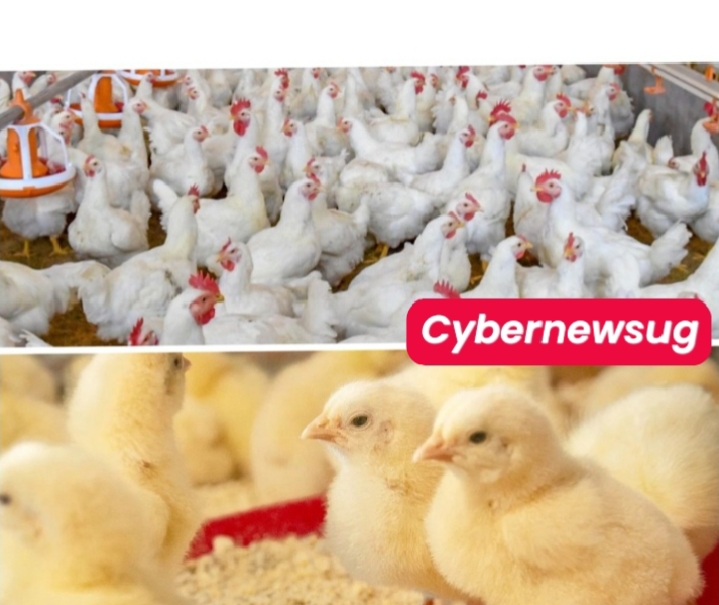
A beneficiary who invests in broiler poultry can begin earning income within weeks. Another who chooses goat rearing is building a growing asset base that can support school fees, healthcare, and household needs. Coffee farmers are expanding production with an eye on future returns. These are not handouts—they are business decisions being made at the household level.
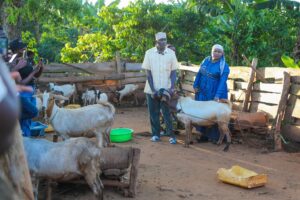
One of the strongest aspects of PDM is the sense of ownership it creates. Beneficiaries decide which enterprises suit their circumstances, manage the funds, and work towards repayment, allowing others in the community to benefit as well. This approach promotes responsibility, accountability, and dignity.

The success stories are also creating a ripple effect throughout communities. When one household succeeds in poultry, piggery, coffee farming, or goat rearing, neighbors take notice. Knowledge is shared, lessons are learned, and confidence grows. What begins as an individual project often becomes a source of inspiration and practical training for an entire parish.
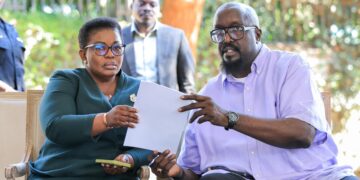
Field monitoring and community engagement remain critical to sustaining these gains. The efforts of Hajjat Hadijah Namyalo and the Office of the National Chairman (ONC) teams in mobilizing communities, guiding beneficiaries, and following up on projects demonstrate the importance of leadership that connects directly with people on the ground.
As more households embrace enterprise and wealth creation, PDM is proving that lasting transformation begins when families are equipped not just with resources, but with the opportunity to invest, grow, and build a better future for themselves.