


















By Staff Reporter
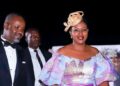
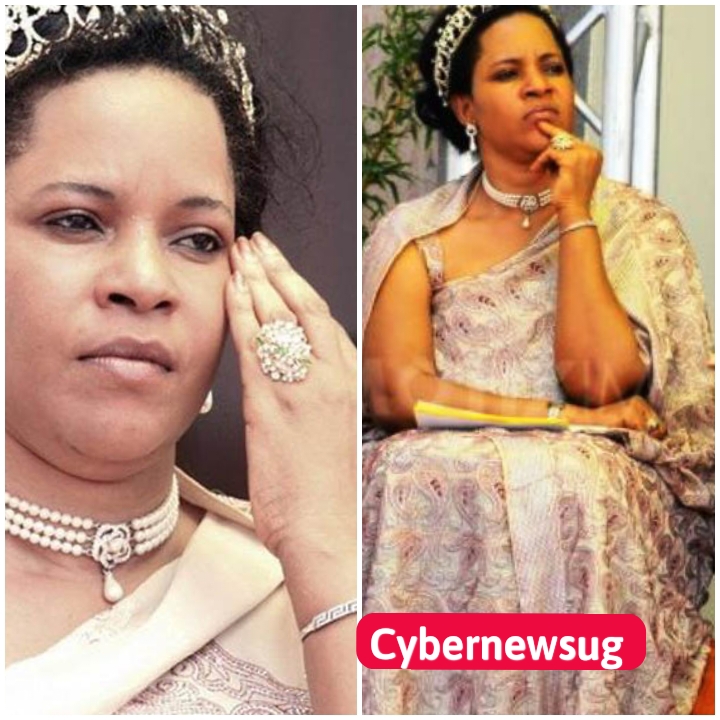
FORT PORTAL, Uganda— Queen Mother Best Kemigisa Akiiki has spent much of her adult life at the centre of one of Uganda’s most prominent traditional institutions, navigating the responsibilities of royalty alongside periods of profound personal loss.
Advertisement KIKORONG
The Queen Mother, who became part of the Tooro royal family as a young woman, has witnessed major changes in the kingdom over several decades, including the death of her husband, the late King Patrick David Matthew Kaboyo Olimi III, the childhood death of one of her children and the transition of her son into the position of King of Tooro.
Accounts of her life have resurfaced amid renewed public attention on the Tooro royal family, with many people reflecting on the personal challenges she has faced while carrying responsibilities within the kingdom.
Born into a family with roots in the wider Tooro region, Best Kemigisa married King Olimi III in 1987, according to the information provided. She was about 20 years old at the time.
Advertisement 
The marriage placed her at the heart of Tooro’s royal institution, where she would later become one of the most recognisable figures in the kingdom.
#Widowhood at a young age
One of the defining moments in the Queen Mother’s life came in 1995 with the death of King Olimi III.
His death left Kemigisa a widow while still a young woman and brought a period of transition for the Tooro Kingdom.
The royal family faced the question of succession, with their young son, Oyo Nyimba Kabamba Iguru, eventually assuming the throne as King of Tooro.
Because of his young age, the kingdom entered a period in which senior figures and appointed guardians played important roles in supporting the administration of the kingdom.
Queen Mother Best Kemigisa became a central figure during this period, combining her role as a mother with responsibilities associated with the royal institution.
Her position placed her under considerable public attention as Tooro navigated the challenges of maintaining continuity in one of Uganda’s most historically significant traditional kingdoms.
#A mother’s loss
The family was later struck by another tragedy with the death of Princess Celia Komukyeya, the Queen Mother’s youngest child, according to the account provided.
The death of a child represented another deeply personal loss for Kemigisa after the death of her husband.
Public accounts of the Queen Mother’s life have frequently pointed to this period as evidence of the personal challenges she endured while remaining a visible figure within the kingdom.
She is also the mother of Princess Ruth Nsemere Komuntale, who has remained a prominent member of the Tooro royal family.
For the Queen Mother, the years following her husband’s death were therefore marked by the demands of raising a young royal family while helping to maintain stability around the kingdom’s leadership.
#A young king assumes his role
King Oyo came to the throne at an exceptionally young age, making his succession one of the most closely watched moments in the modern history of Uganda’s traditional institutions.
His childhood kingship drew attention within Uganda and beyond, with the royal family and the kingdom’s leadership required to balance tradition with the practical realities of administering a kingdom whose monarch was still a child.
As he grew older, King Oyo gradually assumed greater responsibilities within the kingdom.
The transition represented an important moment not only for the young monarch but also for his mother, who had spent years at the centre of the royal family’s efforts to preserve continuity following the death of King Olimi III.
The Queen Mother’s role became closely associated with the stability and continuity of the Tooro monarchy during a period of significant change.
#A kingdom shaped by change
The years following King Olimi III’s death were also marked by political and administrative developments within the Tooro Kingdom.
Like other traditional institutions in Uganda, the kingdom has had to balance cultural preservation with the changing realities of modern society.
Traditional kingdoms remain influential cultural institutions in Uganda, playing important roles in preserving heritage, promoting community development and strengthening cultural identity.
Tooro’s royal family has also been associated with initiatives involving youth, community development, tourism, environmental awareness and cultural preservation.
The royal institution’s continued relevance has depended in part on its ability to maintain traditional values while engaging with contemporary social and economic challenges.
Queen Mother Best Kemigisa has remained a significant figure throughout these changes.
#A life under public scrutiny
Members of royal families often experience their most personal moments in the public eye.
For the Queen Mother, family milestones, royal ceremonies and periods of tragedy have frequently attracted public attention.
The marriages and public lives of members of the royal family have also generated discussion both within Tooro and across Uganda.
But behind the ceremonies, titles and traditions is the story of a woman who has experienced widowhood and the loss of a child while continuing to serve as a senior figure within her family’s royal institution.
Her life illustrates the human experiences that exist behind Uganda’s traditional leadership structures.
#Royal continuity
The future of any traditional institution is closely linked to questions of continuity and succession.
For Tooro, the royal family represents an important connection between the kingdom’s history and its future.
The Queen Mother’s experiences have spanned several generations of the royal institution.
She was first known publicly as a young Queen, later became a widow and subsequently took on the responsibilities associated with being Queen Mother to a young monarch.
The different stages of her life have unfolded alongside major developments within the Tooro Kingdom.
Her story is therefore closely connected to the modern history of the kingdom itself.
#A symbol of resilience
For many people reflecting on Queen Mother Best Kemigisa’s life, the central theme is resilience.
The account of her life includes moments of celebration and moments of profound loss.
It includes marriage into royalty, the death of a husband, the loss of a daughter and years spent supporting a royal institution through periods of transition.
Such experiences have made her one of the most recognisable maternal figures associated with the modern history of the Tooro Kingdom.
As public attention focuses on the royal family’s future, her life remains a reminder that traditional institutions are shaped not only by ceremonies and constitutional arrangements but also by the personal experiences of the people who lead and support them.
#Looking ahead
The Tooro Kingdom continues to hold an important place in Uganda’s cultural landscape.
Its future will be shaped by its ability to preserve its traditions while responding to the aspirations of younger generations.
For Queen Mother Best Kemigisa, the journey through royalty has been marked by extraordinary responsibilities and deeply personal experiences.
Her story reflects a life lived under public scrutiny but also one defined by endurance.
The history of the Tooro royal family is larger than any one individual. Yet the experiences of its members help explain the human side of an institution that has remained important to millions of people in the region and across Uganda.
As the kingdom continues its journey, Queen Mother Best Kemigisa’s life stands as a story of royalty, motherhood, grief and resilience — a personal history intertwined with the history of Tooro itself.
**Source:🇺🇬 Be Blessed