

























By Karim Were
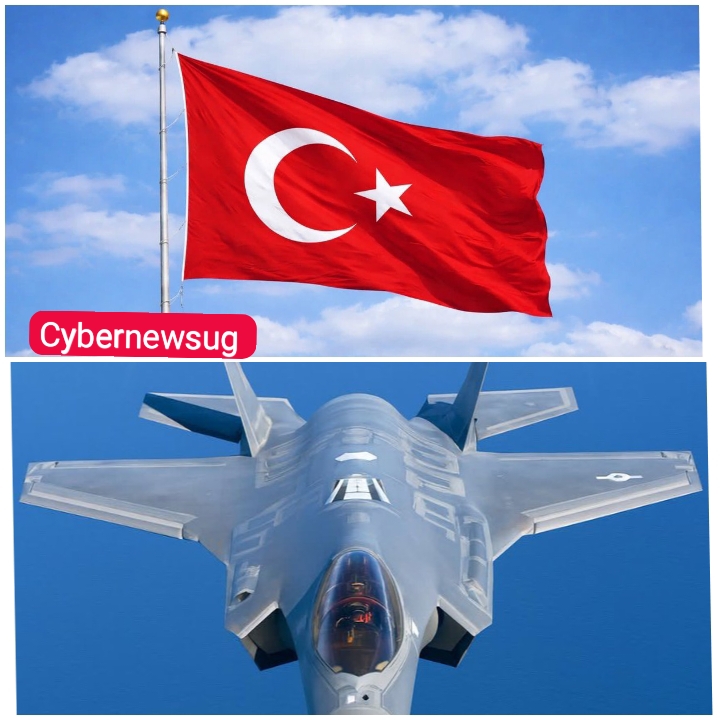
Turkey’s continued interest in acquiring F-35 fighter jets has reignited international debate over defense cooperation, NATO unity, and the future of military partnerships between Ankara and Washington.
The issue extends beyond the purchase of advanced aircraft, touching on broader questions of regional security, military modernization, and the balance between diplomacy and defense. As one of NATO’s key members, Turkey’s defense decisions continue to influence strategic planning within the alliance and shape discussions on collective security.
Military analysts argue that the evolving relationship between the United States and Turkey reflects the complex nature of modern defense partnerships, where political considerations, technological cooperation, and geopolitical interests are closely intertwined.
At the same time, Turkey continues to pursue broader military modernization efforts aimed at strengthening its defense capabilities, expanding domestic defense production, and enhancing its strategic position in an increasingly competitive global security environment.
The ongoing discussions surrounding the F-35 program also highlight growing international demand for next-generation fighter aircraft, underscoring their importance in maintaining air superiority and supporting national defense objectives.
As geopolitical tensions continue to evolve, Turkey’s defense strategy remains a closely watched issue, with implications for NATO cooperation, regional stability, and the future direction of international military alliances.