

















By Our Reporter
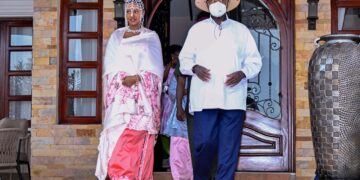
The endorsement was made in Mbale City on Sunday as President Yoweri Museveni visited the region and officially opened the renovated Mount Elgon Hotel.
MBALE CITY, Uganda — Bazzukulu in the Bugisu sub-region have endorsed President Yoweri Museveni for continued leadership beyond the 2031 elections, saying his experience, energy and record of long-term development make him suitable to continue leading Uganda.
The endorsement was made on Sunday, September 27, 2026, during Museveni’s visit to Mbale City, where he officially opened the renovated Mount Elgon Hotel.
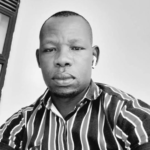
The group, led by Chris Buyela, the Office of the National Chairman (ONC) coordinator for the Bugisu sub-region, said its support for Museveni was based on what it described as decades of transformation under his leadership.
Buyela said the endorsement reflected a desire for continuity in the implementation of government programmes, particularly initiatives that require sustained investment and long-term planning.
He argued that Uganda would benefit from retaining experienced leadership to ensure that development programmes already under implementation are maintained and expanded.

According to Buyela, President Museveni still possesses the energy, experience and commitment necessary to lead the country and pursue programmes intended to improve the livelihoods of Ugandans.
The remarks represent the position of the Bugisu Bazzukulu group and should be understood as a political endorsement rather than an independent assessment of the President’s eligibility, popularity or electoral prospects.
Endorsement Comes During Mbale Visit
The endorsement took place as Museveni visited Mbale City for the official opening of the renovated Mount Elgon Hotel.
The event provided an opportunity for political supporters in the region to publicly express their views on the country’s future leadership.
For the Bazzukulu, the occasion was also used to emphasise what they regard as the importance of continuity in government policy.
Buyela said the group believes that development programmes should not be disrupted by frequent changes in leadership, particularly where projects require several years to deliver their intended results.
His argument centres on the view that long-term national development depends not only on launching new programmes but also on maintaining policies and investments over extended periods.
The endorsement therefore links support for Museveni with the broader question of continuity in Uganda’s development planning.
Why the Group Says Museveni Should Continue
Buyela cited three main qualities in explaining the group’s position: experience, energy and commitment.
He said Museveni’s long experience in national leadership gives him familiarity with Uganda’s development challenges and the government’s existing programmes.
The group also believes the President remains energetic enough to continue carrying out the responsibilities of the presidency.
In addition, Buyela pointed to what he described as Museveni’s continued commitment to programmes aimed at improving the welfare and livelihoods of Ugandans.
However, the information provided for this report does not include specific programme-by-programme evidence or independent assessments measuring the impact of those initiatives in Bugisu or nationally.
For that reason, the claims about transformation and development are presented as the views of the endorsing group rather than independently established conclusions.
Development and Political Continuity
The issue of continuity is likely to remain an important part of Uganda’s political debate as the country approaches future electoral cycles.
Large public infrastructure projects, agricultural programmes, industrialisation initiatives, education investments and other government policies often extend across several years.
Supporters of continuity argue that retaining political leadership can allow governments to pursue long-term strategies without significant policy interruptions.
Critics of prolonged political continuity, however, may argue that democratic systems also require competition, accountability and opportunities for voters to choose among different candidates and policy alternatives.
Those competing considerations are important when assessing any political endorsement.
The Bugisu endorsement, therefore, is one expression of political support rather than evidence that all residents of the region share the same position.
No information was provided indicating that the endorsement represented every community, political group or voter in the Bugisu sub-region.
The Role of the ONC and Bazzukulu
The Office of the National Chairman has been involved in mobilisation and engagement activities among supporters of the ruling National Resistance Movement.
The Bazzukulu initiative has also featured prominently in activities directed at young people and supporters of the NRM government.
In this case, Buyela spoke in his capacity as ONC coordinator for the Bugisu sub-region.
His comments therefore provide an indication of the position of the group he represents.
The endorsement also illustrates how regional political mobilisation can shape discussions about national leadership.
Regional endorsements can serve as a way for supporters to communicate their priorities and demonstrate political organisation ahead of future elections.
At the same time, such endorsements do not determine electoral outcomes, which ultimately depend on the constitutional and electoral processes and the choices made by voters.
Museveni’s Long Political Career
Museveni has been Uganda’s president since 1986, making him one of Africa’s longest-serving heads of state.
His supporters frequently point to political stability, infrastructure development and government investment in sectors such as roads, energy, education, health and agriculture when defending his leadership record.
Opposition groups and critics, meanwhile, have raised concerns over the length of his tenure, political competition, governance and the need for leadership transition.
Those differing assessments form part of Uganda’s broader political debate.
The Bugisu Bazzukulu endorsement falls within that wider debate over whether the country should maintain its current leadership approach or pursue a different political direction.
Because the endorsement was made by a group of supporters, it does not by itself resolve the wider national debate.
What 2031 Means for the Political Debate
The reference to 2031 places the Bugisu endorsement within Uganda’s longer-term political outlook.
The 2031 election is still several years away from the September 2026 event described in this report. Consequently, political positions expressed now should be regarded as early positioning and mobilisation rather than a determination of the eventual electoral contest.
Whether Museveni will seek another term, who else will contest the presidency and what issues will dominate the election campaign are matters that will develop over time.
The significance of the Bugisu endorsement is therefore primarily political: it demonstrates that some supporters are already framing the next phase of national leadership around continuity and Museveni’s experience.
The endorsement may also encourage other political actors and regional groups to articulate their own positions as the political environment develops.
Economic and Social Development Questions
The Bazzukulu’s argument places development at the centre of their political support.
For many voters, questions about leadership are closely connected to practical issues such as employment, household incomes, agricultural productivity, infrastructure, access to education and healthcare, and opportunities for young people.
Bugisu, located in eastern Uganda around Mount Elgon, has a strong agricultural economy and is widely associated with coffee production.
Any discussion about political leadership in the region is therefore likely to intersect with questions about agricultural value addition, market access, roads, tourism, urban development and employment.
However, the information available for this report does not provide specific economic statistics or evidence linking the Mount Elgon Hotel renovation or other projects to particular changes in household incomes in the region.
It would therefore be inappropriate to attribute specific economic outcomes to the endorsement without additional evidence.
The Mount Elgon Hotel Opening
The official opening of the renovated Mount Elgon Hotel was the immediate setting for Museveni’s Mbale visit.
The hotel has long been associated with Mbale’s hospitality and tourism sector, and its renovation provides an example of investment in the city’s accommodation and business infrastructure.
For Mbale City, improved hospitality facilities can potentially support business activity, conferences, tourism and employment.
The extent of those economic benefits, however, would depend on factors including occupancy, investment, tourism demand and broader economic conditions.
The event consequently had both political and economic dimensions, with the hotel opening providing a public occasion during which the Bugisu Bazzukulu expressed their political position.
A Regional Message With National Implications
Although the endorsement originated in Bugisu, its message extends beyond the region.
Political endorsements from different parts of Uganda can contribute to the broader national conversation about leadership, development and the direction of government policy.
The central argument advanced by Buyela is that Uganda should maintain continuity in order to complete and strengthen long-term programmes.
That argument is likely to remain relevant as political parties, civil society organisations and voters assess the country’s priorities in the years ahead.
At the same time, a professional assessment of any government’s record requires evidence from multiple sources, including official data, independent research and the experiences of communities affected by government policies.
Political support and independent evaluation are therefore separate matters.
What Happens Next
The Bugisu endorsement does not itself determine Uganda’s future leadership.
The country’s electoral system, constitutional provisions, political party processes and eventual voter decisions will determine the outcome of future elections.
For now, the statement by the Bazzukulu represents an expression of confidence in Museveni from a group of supporters in the Bugisu sub-region.
As Uganda moves toward future elections, similar endorsements are likely to become part of a wider political discussion about continuity, leadership succession, development and national priorities.
For the Bugisu Bazzukulu, however, the message is clear: they believe Museveni’s experience and continued energy make him capable of pursuing the development agenda they associate with his leadership.
The endorsement made in Mbale on September 27 therefore adds another regional voice to Uganda’s emerging debate about its political future beyond 2031.
Source: By Chris Buyela and the Bugisu Bazzukulu.