




















By Karim Were
A fragile diplomatic breakthrough appears to be taking shape in the Middle East, with Donald Trump claiming that negotiations aimed at ending tensions between the United States, Israel, and Iran are nearing completion.
Rather than focusing on military threats, regional powers are now increasingly positioning themselves as mediators in a broader effort to stabilise the Gulf and restore global energy security. Central to the emerging agreement is the reopening of the Strait of Hormuz — one of the world’s most strategically important oil shipping routes — which Iran has effectively restricted during the conflict.
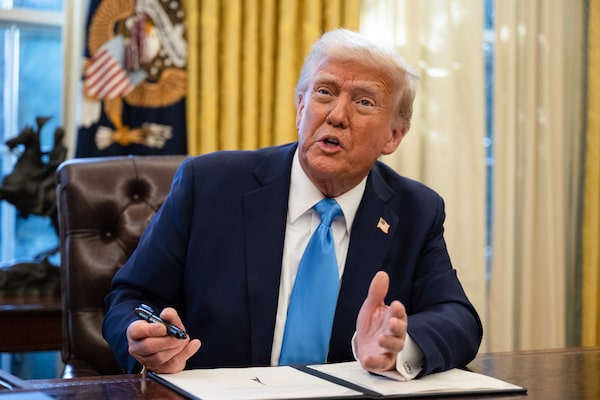
Trump announced that a proposed Memorandum of Understanding had been “largely negotiated” following consultations with leaders from Qatar, Saudi Arabia, United Arab Emirates, Pakistan, Jordan, Egypt, Turkiye, and Bahrain. He also spoke separately with Israeli Prime Minister Benjamin Netanyahu.
The talks highlight how Gulf and regional governments have become key brokers in preventing a wider regional war. Pakistan, in particular, has intensified diplomatic engagement, with Prime Minister Shehbaz Sharif expressing hope that Islamabad could soon host direct US-Iran negotiations.
Meanwhile, Turkish President Recep Tayyip Erdogan welcomed progress in the discussions, signalling Ankara’s support for measures that would guarantee uninterrupted maritime passage through Hormuz — a move closely watched by global markets concerned about oil supply disruptions.
Despite the optimistic tone, major disagreements remain unresolved. Negotiators are still debating the future of Iran’s nuclear programme, the scope of US military involvement in the region, Tehran’s influence over maritime routes, and the release of frozen Iranian assets.
The diplomatic momentum follows months of volatility since the US and Israel launched military operations against Iran on February 28. Although large-scale fighting has mostly paused since April, tensions remain high, with sporadic flare-ups and continued economic pressure through US naval blockades.
Trump’s latest comments reflect his shifting approach to the crisis. Over the past week, he has alternated between warning of renewed military action and promoting the possibility of a historic agreement that could reshape regiona
l security dynamics.