



















By Karim Were
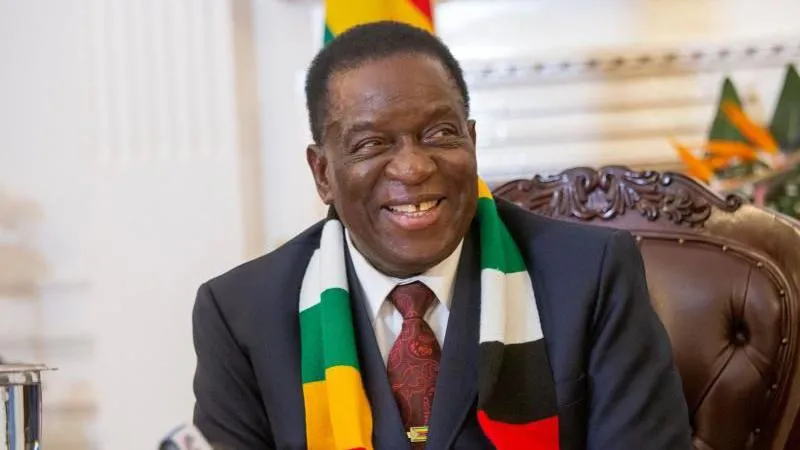
Zimbabwe’s parliament has approved sweeping constitutional changes that could dramatically reshape the country’s political landscape, including the abolition of direct presidential elections and an extension of President Emmerson Mnangagwa’s time in office until 2030.
Advertisiment 
The controversial bill, passed by an overwhelming majority in the lower house on Thursday, would transfer the power to choose future presidents from voters to parliament. It also extends both presidential and parliamentary terms from five to seven years and postpones the next general elections from 2028 to 2030.
Under the proposed changes, Mnangagwa, currently serving what was expected to be his final constitutional term, would remain president for an additional two years beyond the existing 2028 deadline.
Supporters within the ruling Zanu-PF party argue that the reforms will promote political stability and policy continuity. Critics, however, view the measures as a major setback for democratic governance, warning that removing direct presidential elections weakens citizens’ ability to hold leaders accountable.
The legislation secured the support of 216 lawmakers, exceeding the two-thirds majority required to amend the constitution, while 42 legislators voted against it. The bill now proceeds to the Senate, where it is widely expected to pass before being signed into law by the president.
Opposition parties, legal experts and civil society organizations have condemned the move, arguing that such far-reaching constitutional changes should be decided by voters through a national referendum rather than by parliament alone.
The reforms come despite provisions in Zimbabwe’s 2013 constitution that introduced presidential term limits and sought to prevent sitting leaders from benefiting from extensions without public approval. A legal challenge aimed at blocking the bill was dismissed by the Constitutional Court just one day before the parliamentary vote.
Mnangagwa, who came to power in 2017 following the military-backed removal of former president Robert Mugabe, has faced increasing scrutiny over Zimbabwe’s democratic trajectory. While he initially promised political and economic reforms, his administration has been criticized over disputed elections, economic difficulties and concerns about shrinking democratic space.
As the legislation moves closer to becoming law, it has intensified debate over whether Zimbabwe is strengthening political stability or eroding democratic participation by concentrating more power within the ruling establishment.