
























By Cybernewsug | News Desk
Raising children requires more than parental effort. Families, schools, communities and institutions all have a role to play in protecting children, nurturing their talents and preparing them for responsible adulthood.
The saying “It takes a village to raise a child” reflects the idea that children thrive when parents, relatives, teachers, neighbours and the wider community work together to support their development. Although parents remain primarily responsible for their children, a supportive environment can help young people develop the values, skills and confidence they need to navigate life.
The principle remains relevant in modern societies, where families face changing social expectations, economic pressures, digital influences and challenges in accessing education and other essential services. It highlights the importance of shared responsibility in creating safe environments where children can learn, grow and reach their potential.
From the family home to the classroom, religious institutions, sports clubs and community organisations, the people surrounding a child can influence their behaviour, aspirations and understanding of the world.
However, the concept does not mean that parents should surrender their responsibilities to others. Instead, it encourages cooperation, accountability and collective action to ensure that children receive appropriate guidance and protection.
#The family remains the foundation
The family is generally a child’s first source of care, protection and learning. Parents and guardians introduce children to language, social behaviour, cultural values and the difference between acceptable and unacceptable conduct.
Through everyday interactions, children learn how to communicate, respect others, resolve disagreements and take responsibility for their actions.
Parents also help shape children’s attitudes towards education, work, relationships and personal responsibility. The example set by adults can be particularly influential because children often learn by observing behaviour rather than simply listening to instructions.
Yet parenting can be demanding, especially for households dealing with financial hardship, limited access to childcare, illness or demanding work schedules.
In such circumstances, support from trusted relatives, friends and neighbours can help families meet children’s needs. Grandparents, aunts, uncles and other responsible adults may provide supervision, encouragement, practical assistance and guidance.
When these relationships are healthy and consistent, children can benefit from having several dependable adults who care about their well-being.
Nevertheless, parents and guardians must remain attentive to the people entrusted with their children. Community involvement should strengthen parental care, not expose children to neglect, abuse or inappropriate influence.
#Schools help shape character and knowledge
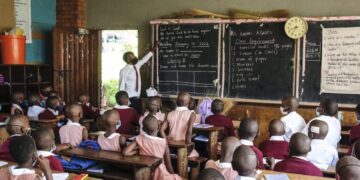
Schools are among the most important institutions in a child’s development. Beyond teaching academic subjects, they help children develop discipline, teamwork, communication and problem-solving skills.
Teachers can identify learning difficulties, encourage struggling pupils and help learners recognise their abilities. They may also notice changes in behaviour that suggest a child needs additional support.
A child’s educational progress, however, depends on more than what happens in the classroom.
Parents and guardians can support learning by monitoring school attendance, providing time for homework, communicating with teachers and encouraging children to take their studies seriously.
Community members can also contribute through mentoring, reading programmes, career guidance, sports activities and initiatives that help vulnerable learners remain in school.
Where schools and families maintain constructive relationships, children are more likely to receive consistent messages about the importance of education, effort and responsible conduct.
Schools must also provide safe and inclusive environments in which learners are protected from bullying, discrimination, exploitation and other forms of harm.
#The community influences behaviour
Children grow up observing the people around them. The conduct of neighbours, community leaders, business owners, religious leaders and other adults can influence how young people understand responsibility and social relationships.
A community that promotes respect, honesty, peaceful conflict resolution and care for vulnerable people can provide positive examples for children to follow.
Conversely, environments characterised by violence, substance misuse, discrimination or the normalisation of harmful behaviour can expose children to risks.
Community members therefore have a role in creating conditions that support healthy development. This can include organising safe recreational activities, supporting families facing hardship, discouraging child exploitation and reporting suspected abuse through appropriate channels.
Local leaders can help by promoting child protection awareness and connecting families with available social services.
In Uganda, where extended family and community relationships remain important in many households, these networks can provide valuable support. However, the strength of such support depends on trust, clear boundaries and a shared commitment to children’s safety.
The phrase “a village” should not be understood only as a physical location. In contemporary society, a child’s support network may also include school counsellors, healthcare workers, social workers, coaches and trusted adults outside the immediate neighbourhood.
#Parents and communities must protect children
Collective responsibility is particularly important when children face abuse, neglect, exploitation or other threats to their safety.
Children may not always have the confidence, language or power to report harmful experiences. Adults who interact with them should therefore pay attention to warning signs and respond appropriately to concerns.
Child protection requires more than good intentions. It calls for clear safeguarding practices, responsible supervision and respect for children’s rights.
Adults should avoid assuming that someone is safe simply because they are a relative, neighbour, teacher or respected community member. Concerns about abuse should be taken seriously and referred to appropriate authorities or child protection services.
Communities should also avoid handling serious allegations solely through informal arrangements that could leave a child at further risk.
At the same time, children need to learn how to identify unsafe situations, seek help from trusted adults and communicate concerns without fear of punishment or blame.
A supportive community listens to children, takes their concerns seriously and acts in their best interests.
#The role of religious and cultural institutions
Religious institutions and cultural organisations can contribute to child development by providing mentorship, moral guidance, recreational activities and opportunities for community service.
Through organised programmes, children may develop a sense of belonging, learn about responsibility and build relationships with positive role models.
Cultural activities can also help young people understand their heritage, language, traditions and community history.
However, these institutions must ensure that their activities protect children’s welfare. Guidance should be age-appropriate, inclusive and consistent with the need to safeguard children from abuse and exploitation.
Religious and cultural leaders can also support parents by promoting peaceful homes, responsible caregiving, respect for children and early intervention when families face difficulties.
Their influence can be especially useful when they work alongside schools, families and qualified professionals rather than attempting to replace specialised educational, medical or social services.
#Modern challenges require shared solutions
Raising children today involves challenges that may differ from those faced by previous generations.
Digital technology has expanded access to information, education and communication, but it has also exposed children to online bullying, inappropriate content, scams and potential exploitation.
Parents cannot always monitor every online interaction, particularly as children grow older and become more independent. Schools can help by teaching digital literacy, online safety and responsible technology use.
Communities can reinforce these lessons through awareness programmes and open discussions that encourage children to report harmful online experiences.
Economic pressures also affect families. Unemployment, unstable incomes, the cost of education and limited access to basic services can make it difficult for some parents to provide everything their children need.
In these circumstances, practical community support may include helping vulnerable households access school materials, connecting families with social services or supporting initiatives that keep children safe and engaged in learning.
Government institutions also have a central responsibility. Communities cannot replace adequate schools, accessible healthcare, child protection systems or effective enforcement of laws against abuse and exploitation.
The village concept works best when families, communities and public institutions understand their respective responsibilities and cooperate to address children’s needs.
#Children need encouragement, not only discipline
Supporting a child involves more than providing food, clothing, education and shelter. Children also need encouragement, emotional support and opportunities to develop their interests.
Adults can help by listening to children’s concerns, recognising their efforts and giving constructive feedback when they make mistakes.
Discipline is important, but it should guide children towards responsible behaviour without humiliating or harming them.
Children also benefit from age-appropriate responsibilities that help them develop independence, confidence and decision-making skills.
Sports, music, reading, creative activities and community service can provide opportunities to discover talents and build friendships.
When several trusted adults encourage a child in constructive ways, the child may gain access to a broader range of skills, experiences and perspectives.
However, support should not become excessive interference. Children need room to express their views, develop their identities and learn from ordinary mistakes within safe boundaries.
#A shared responsibility with clear boundaries
The idea that it takes a village to raise a child is sometimes misunderstood as a call for everyone to interfere in parenting decisions. In practice, effective community support requires cooperation, respect and clear boundaries.
Parents and guardians should remain actively involved in decisions affecting their children, while other adults should offer support without undermining appropriate parental authority.
Community members should also respect children’s privacy and dignity. A child’s struggles should not become a source of gossip, public humiliation or unnecessary exposure.
When disagreements arise between adults over a child’s upbringing, the focus should remain on the child’s safety and welfare rather than competition for authority.
Where professional help is needed, families should be encouraged to seek assistance from qualified educators, healthcare workers, counsellors or relevant child protection services.
The shared responsibility approach is strongest when adults communicate openly, act consistently and recognise that children’s needs may change as they grow.
#Conclusion: Building a better future for every child
“It takes a village to raise a child” remains a powerful reminder that children’s development is shaped by the relationships, institutions and environments surrounding them.
Parents and guardians provide the foundation, but teachers, relatives, neighbours, community leaders and public institutions can all contribute to creating opportunities for children to learn, feel safe and develop their abilities.
The responsibility is not simply to supervise children or correct their mistakes. It is to build environments where they are protected from harm, encouraged to ask questions, supported through difficulties and prepared to become responsible members of society.
Achieving this requires practical action: families must remain involved, schools must provide safe learning environments, communities must protect vulnerable children, and governments must ensure that essential services and safeguards are available.
Ultimately, a community’s commitment to its children is reflected in how it treats its most vulnerable members. When adults work together while respecting children’s rights and parents’ responsibilities, they help create a stronger foundation not only for individual families but also for society as a whole.
Source: