



















By Karim Were
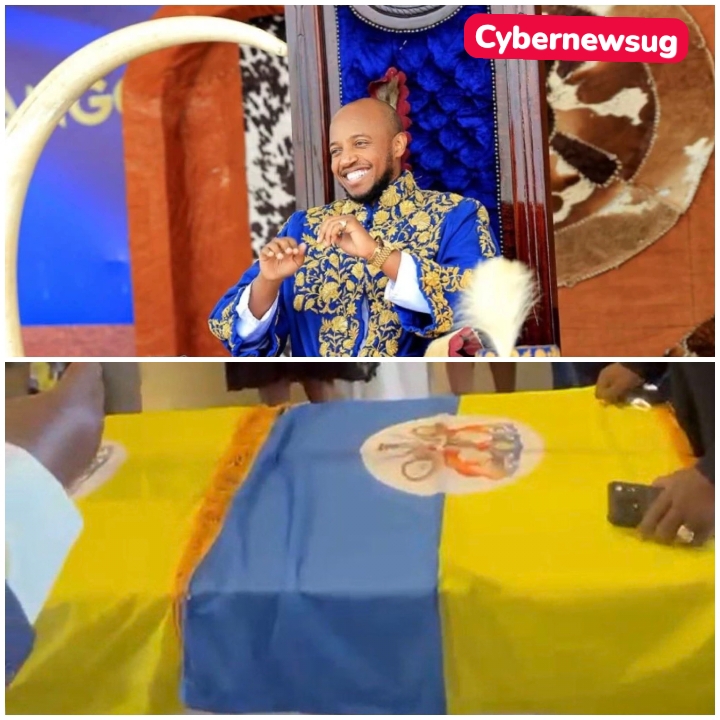
KAMPALA —The remains of the late Omukama of Tooro, Oyo Nyimba Kabamba Iguru Rukidi IV, will arrive in Uganda on Friday, September 4, as the kingdom and the Government intensify preparations for the final rites of the monarch who died last week aged 34.
The latest programme released by the Tooro Kingdom indicates that the body will arrive at Entebbe International Airport at approximately 10:00am, a day later than an earlier schedule that had indicated Thursday, September 3.
President Yoweri Museveni is expected to receive the remains at the airport, pay his last respects to the late King and convey condolences to the royal family and the people of Tooro.
According to the revised programme, the body will then be airlifted to Kyegegwa District before being placed on an open carrier for a slow road procession towards Karuziika Palace in Fort Portal City, the seat of the Tooro Kingdom.
The change in the programme is intended to give more people in the Tooro sub-region an opportunity to pay their final respects to their King as the cortege travels through the region.
Richard Rwabuhinga, chairperson of the organising committee, said the decision to pass through Kyegegwa was partly driven by the desire to allow subjects who may not be able to travel to Fort Portal to see their monarch for the last time.
“Our hope is that in this week that we have started, the King’s body will arrive at Entebbe International Airport and after that it will immediately be flown to Tooro,” Rwabuhinga earlier told New Vision.
He said the organising committee had reached an understanding with Charles Kamurasi, the Omujwera Musuuga of the Babiito clan, that subjects across Tooro should have an opportunity to bid farewell to the late monarch.
#Final journey to Karuziika
After arriving at Kyegegwa, the body will be transferred to an open, slow-moving vehicle for the road journey through parts of the Tooro sub-region before reaching Karuziika Palace.
The revised route will take the royal cortege through Kyegegwa, Kyenjojo and Kabarole districts before entering Fort Portal City.
The arrangement replaces an earlier plan under which the remains were expected to be transported directly from Entebbe to Karuziika Palace.
Fr Charles Oyo, head of communications in the Office of the Omujwera Musuuga, said the decision to use a slow-moving procession followed requests from people living along the Mubende-Fort Portal highway.
“Many people have requested an opportunity to bid farewell to the King as the body is in transit,” Fr Oyo said.
He explained that the procession would move slowly enough for people along the road to wave and pay homage, although the cortege would not make numerous stops for public viewing.
“The body is not going to stop in so many places to be viewed, but it will be on the van moving at a slow pace,” he said.
The organisers have also appealed to mourners to remain calm and disciplined throughout the procession.
Fr Oyo said the expected large crowds should conduct themselves in a manner that reflects the cultural values of the Batooro.
#Nine days of mourning
Once the remains reach Karuziika Palace, the official nine-day cultural mourning period will begin.
The distinction is important because public mourning started immediately after the announcement of King Oyo’s death, but the formal cultural mourning period is tied to the arrival of his body at the official palace.
The nine-day period will provide the setting for traditional rites ahead of the burial of the monarch.
The kingdom has also been preparing Karuziika Palace and the Karambi Royal Tombs, where the late King is expected to be laid to rest.
Reports indicate that improvement works have been undertaken at the two sites as preparations for the royal funeral continue. The works have included improvements around the palace and preparations at the royal burial grounds.
The preparations underline the cultural importance attached to the burial of a Tooro monarch, whose funeral rites are governed by longstanding traditions.
#Burial set for September 12
King Oyo is expected to be buried on September 12, 2026, a date that carries particular significance in Tooro history.
The date will mark 31 years since Oyo ascended the Tooro throne in 1995 following the death of his father, King Patrick David Matthew Kaboyo Olimi III.
Oyo was only three years old when he became Omukama, making his accession one of the most unusual royal successions in modern history.
His coronation and subsequent reign attracted international attention, particularly because of his young age.
The coincidence between the date of his coronation and his planned burial has added an emotional dimension to the funeral programme.
Fr Oyo described the coincidence as painful, noting that the same date that marked the beginning of King Oyo’s reign will now mark the end of his earthly journey.
For many Batooro, the burial will therefore represent both the conclusion of a 31-year reign and the beginning of a new chapter for the kingdom.
#A reign that began in childhood
King Oyo was born on April 16, 1992, and became Omukama in 1995 after the death of his father.
At only three years old, he became widely known internationally as the world’s youngest reigning monarch.
Because of his age, the early years of his reign were conducted with the assistance of regents and senior cultural leaders until he reached adulthood.
As he grew older, Oyo increasingly took on public responsibilities associated with the cultural leadership of Tooro.
Over nearly three decades, he became one of Uganda’s most recognisable traditional leaders.
His role was primarily cultural and social rather than political. Uganda’s Constitution recognises traditional or cultural leaders but bars them from exercising political power.
The Tooro Kingdom has nevertheless remained an influential cultural institution, particularly in western Uganda, where it plays a role in promoting heritage, tourism, community development and cultural identity.
#Promoting Tooro beyond the kingdom
During his reign, King Oyo became associated with efforts to promote Tooro and western Uganda to audiences beyond the region.
Parliament, while mourning the monarch, highlighted his contribution to cultural preservation, tourism and environmental conservation.
Speaker Jacob Marksons Oboth described his death as a loss not only to Tooro but to the country.
Parliament also recognised the King’s efforts to promote the Rwenzori Mountains and environmental conservation, including his ascent of Margherita Peak.
The mountain expedition helped draw attention to the Rwenzori region and issues surrounding climate change and environmental protection.
King Oyo also used his international engagements to promote the Tooro Kingdom and Uganda, while supporting initiatives aimed at young people.
His public image evolved significantly from that of a child monarch into that of a mature cultural leader who represented a historical institution with deep roots in western Uganda.
#Parliament pays tribute
Uganda’s Parliament has also joined the country in mourning the late monarch.
During a plenary sitting, Speaker Oboth described King Oyo as a leader whose life had an impact despite ending at a relatively young age.
He said the monarch had promoted Tooro culture and tourism while using his international profile to promote Uganda.
Members of Parliament observed a moment of silence in honour of the late King.
The Third Deputy Prime Minister and Minister without Portfolio, Rukia Nakadama, also expressed condolences to the royal family and the people of Tooro, describing Oyo as a brilliant young king.
The parliamentary tribute reflects the wider national significance of King Oyo’s death, coming at a time when traditional institutions continue to occupy an important cultural space in Uganda.
#Succession questions
The funeral preparations are taking place alongside public interest in the future of the Tooro throne.
However, kingdom officials have appealed to the public to allow the appropriate cultural authorities to handle succession matters.
Rwabuhinga urged mourners not to turn the mourning period into debates over who should succeed the late King.
He stressed that the Tooro Kingdom is a cultural institution and that the King is not elected.
The Babiito royal clan has a role in matters concerning the succession, and a committee has reportedly been put in place to handle the issue.
The succession question has attracted considerable attention following statements by Tooro officials that King Oyo left behind an heir.
However, details concerning the identity and status of the reported heir have not been fully communicated publicly.
For that reason, the succession issue remains separate from the immediate funeral programme and should be handled through the kingdom’s established cultural processes.
#Government support
The Government has been involved in preparations for the official funeral, including logistical and security arrangements.
The expected reception of the remains by President Museveni at Entebbe underscores the national significance attached to the death of the Tooro monarch.
The Government has also supported preparations around Karuziika Palace and other sites associated with the funeral.
The involvement of national institutions reflects the special place occupied by traditional leaders in Uganda’s cultural and historical landscape, even though they do not exercise political authority.
The late King was also recognised for his contribution to Uganda’s tourism profile, particularly through his promotion of Tooro’s cultural heritage and the Rwenzori region.
#A nation prepares to say goodbye
As the remains make their way back from the United States, attention has shifted from the shock of King Oyo’s death to the rituals that will bring his 31-year reign to a close.
His death on August 27, 2026, at the age of 34 brought an end to a reign that had begun when he was a child and followed him into adulthood.
The return of his remains will allow thousands of Batooro and other Ugandans to participate in the final stage of his journey.
From Entebbe to Kyegegwa and along the road towards Fort Portal, people are expected to gather to pay their respects before the body reaches Karuziika Palace.
The nine-day cultural mourning period will then provide the formal setting for traditional rites leading to the burial.
For Tooro, the occasion will be more than the burial of a king. It will mark the closing of a remarkable chapter that began with the accession of a three-year-old child and ended with the death of a 34-year-old monarch who had spent virtually his entire life associated with the throne.
King Oyo’s final journey will therefore bring together the royal family, the Babiito clan, the people of Tooro, government officials and mourners from across Uganda as the kingdom prepares to bid farewell to a monarch whose reign spanned more than three decades.
**Source:🇺🇬 Be Blessed