














By Karim Were
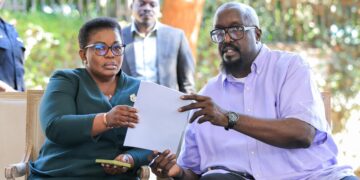
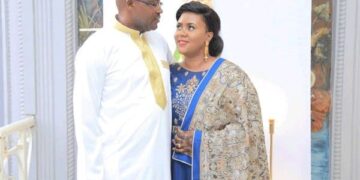
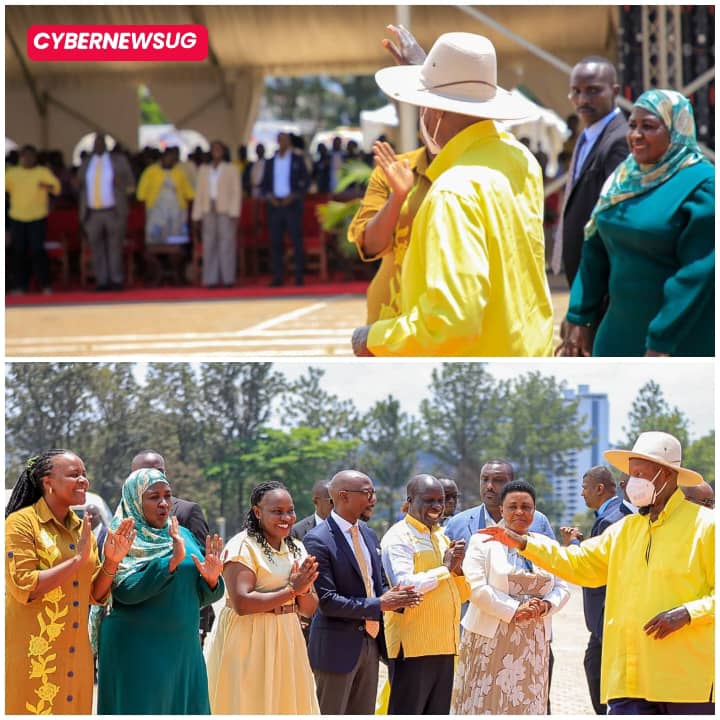
ONC Manager Hajjat Hadijah Namyalo Uzeiye attended the NRM Parliamentary Caucus at Kololo Ceremonial Grounds as President Museveni presided over discussions on matters of national importance.
KAMPALA — Office of the National Chairman (ONC) Manager Hajjat Hadijah Namyalo Uzeiye joined members of the National Resistance Movement’s (NRM) Central Executive Committee (CEC) at a parliamentary caucus held at Kololo Ceremonial Grounds in Kampala, according to an official update from the ONC.
The meeting was presided over by President Yoweri Kaguta Museveni, who is also the National Chairman of the ruling NRM party.
The ONC said the caucus was discussing various issues of national importance, although it did not provide details of the matters on the agenda or disclose specific resolutions reached during the meeting.
Namyalo’s attendance places her among senior party officials participating in the caucus at a time when the NRM continues to organise and coordinate its political activities around the leadership of Museveni.
The ONC statement described Namyalo as having joined fellow CEC members at the gathering but did not attribute any specific intervention or speech to her during the meeting.
Further details from the caucus are expected to be communicated later, according to the ONC.
Namyalo attends alongside senior NRM leaders
The attendance of Namyalo at the Kololo meeting reflects her continuing role within the NRM leadership structure and her responsibilities as manager of the Office of the National Chairman.
The ONC is an important political mobilisation and coordination office within the NRM system, with activities often focused on strengthening party structures, engaging supporters and advancing the party’s organisational programmes.
Namyalo has in recent years maintained a visible presence in activities associated with the Office of the National Chairman, particularly those involving grassroots mobilisation, engagement with communities and support for party programmes.
Her appearance at the caucus therefore comes within the broader context of her official duties.
However, the ONC statement did not give details of Namyalo’s contribution to the discussions, and no specific position taken by her during the meeting was included in the information released.
It is therefore important to distinguish her confirmed attendance from any assumptions about what she may have said or advocated during the meeting.
Museveni presides over caucus
President Museveni’s participation in the meeting was also confirmed by the ONC.
As President of Uganda and National Chairman of the NRM, Museveni occupies a central position in both the country’s executive leadership and the ruling party’s organisational structure.
The parliamentary caucus provides a platform for members of the ruling party in Parliament and other senior party officials to discuss issues affecting government, legislation and party coordination.
The ONC described the discussions as covering “various issues of national importance” but did not specify the subjects considered.
Without an official agenda or detailed briefing, it would be premature to attribute particular policy decisions or political resolutions to the meeting.
The lack of publicly released details also means that questions about specific decisions, recommendations or disagreements arising from the caucus remain unanswered.
The ONC said further information would be communicated in due course.
Namyalo’s role within the NRM
Namyalo has become a prominent figure in the NRM’s organisational and mobilisation activities through her position at the Office of the National Chairman.
Her responsibilities have included participation in party and community engagements designed to strengthen links between the NRM leadership and its supporters.
The ONC has frequently highlighted activities involving political mobilisation, grassroots engagement and programmes connected to the office.
Her participation in the Kololo caucus is therefore significant primarily because it demonstrates her continued involvement in senior-level party activities.
The official information, however, does not indicate that her attendance was connected to any particular dispute, internal party disagreement or political controversy.
Claims that her appearance specifically demonstrated personal loyalty to President Museveni should consequently be understood as political interpretation unless supported by direct statements or additional evidence.
Political context
The NRM remains Uganda’s dominant political organisation and has been led by Museveni since he came to power in 1986.
Over the years, the party has relied on a combination of parliamentary representation, grassroots structures and national mobilisation activities to maintain its political organisation.
Meetings involving senior party officials and parliamentary representatives can therefore have significance beyond routine party administration, particularly when they address issues involving government policy, legislation or political organisation.
The Kololo caucus is taking place within this broader political environment.
However, the available ONC communication does not provide sufficient information to determine whether the meeting involved major new policy proposals, internal party matters, parliamentary strategy or preparations for forthcoming political activities.
Any assessment of those issues will depend on subsequent statements from the NRM leadership or official parliamentary and government sources.
Separating confirmed information from political interpretation
The distinction between confirmed facts and political commentary is particularly important when reporting on party activities.
In this case, the confirmed information is that Namyalo attended the NRM Parliamentary Caucus at Kololo Ceremonial Grounds and that President Museveni presided over the meeting.
The ONC also confirmed that the participants were discussing issues of national importance.
What remains unclear is the precise content of the discussions, the positions taken by individual participants and whether any decisions were reached.
The supplied ONC update does not contain direct quotations from Namyalo or Museveni about the meeting.
Consequently, no statements should be attributed to either of them beyond what has been officially communicated.
Similarly, claims concerning internal party challenges, political opportunism or individual motivations should not be presented as established facts without independent evidence.
This approach is particularly important in political reporting, where attendance at a meeting can be interpreted in different ways by supporters, opponents and observers.
Importance of the parliamentary caucus
Parliamentary caucuses can play an important role in coordinating positions among legislators belonging to the same political organisation.
For a governing party, such meetings may also provide an opportunity to discuss national priorities, legislative matters and the relationship between the party’s political programme and government policy.
The NRM has a large parliamentary presence, making coordination between party leadership and legislators an important element of its political organisation.
Meetings chaired by the party’s National Chairman can therefore attract considerable attention, especially when the issues under discussion have implications for government programmes or parliamentary business.
In the absence of a published agenda, however, the immediate significance of the Kololo meeting remains dependent on what the party communicates after the discussions.
Namyalo’s continued visibility
Namyalo’s participation also highlights her continued visibility within the NRM’s senior organisational activities.
As manager of the ONC, she has become associated with efforts to connect the party leadership with supporters at different levels.
Her public engagements have often involved meetings, mobilisation activities and programmes linked to the office’s wider mandate.
The latest appearance at Kololo adds another senior-level engagement to that public record.
It also illustrates the continuing interaction between the party’s organisational structures and its parliamentary leadership.
Whether the meeting produces new initiatives or policy positions will become clearer if the NRM or government releases additional information.
What remains to be communicated
The ONC has indicated that further details of the caucus will be communicated in due course.
Those details could provide greater clarity on the issues discussed, the positions adopted and any resolutions reached by the participants.
Until such information is released, reports about specific decisions or disagreements at the meeting would remain unconfirmed.
For now, the central confirmed development is that Namyalo joined fellow CEC members at the NRM Parliamentary Caucus in Kololo, where Museveni presided over discussions described by the ONC as addressing matters of national importance.
Her attendance underscores her continuing participation in senior NRM activities, while the absence of details about the discussions leaves the substance of the meeting to be established through subsequent official communication.
Conclusion
Hajjat Hadijah Namyalo Uzeiye’s participation in the NRM Parliamentary Caucus at Kololo Ceremonial Grounds highlights her continued involvement in the party’s senior organisational activities.
The meeting, chaired by President Museveni in his capacity as NRM National Chairman, brought together senior party figures to discuss issues described by the ONC as being of national importance.
While the attendance of Namyalo and the leadership of Museveni are confirmed, the specific issues discussed, positions taken and decisions reached have not yet been made public.
Further communication from the NRM or the Office of the National Chairman will therefore be important in establishing the full significance of the caucus.
Source: